Few things sour a neighborhood faster than dog waste. It is the quiet grievance behind countless HOA complaints, terse notes left on doors, and awkward run-ins at the mailbox. Most dog owners are conscientious, but it only takes a handful of missed pickups on a shared sidewalk or a neighbor’s lawn to breed resentment that lingers for years. Waste is where good fences and good neighbors are truly tested.
The etiquette of dog ownership in a community is not complicated, but it is easy to get wrong when you are distracted, in a hurry, or convinced no one is watching. Understanding the unwritten rules, and the written ones your HOA may enforce, keeps you on the right side of your neighbors and out of the crosshairs of community management. Here is how to be the dog owner everyone is happy to live next to.
Why Waste Is the Number One Neighbor Complaint
Dog waste consistently ranks among the top sources of neighbor and HOA disputes, and for good reason. It is visible, it smells, it carries health risks, and it lands on property people care deeply about, their lawns, their sidewalks, their shared common areas. Unlike a barking dog that stops, a pile of waste sits there as a lasting reminder of someone’s carelessness. That permanence is what makes it so uniquely irritating.
The frustration also compounds. One ignored pile makes a neighbor notice the next one, and soon a single lapse has painted you as the problem owner on the street. Reputation, once lost over waste, is hard to rebuild.
Understanding Your HOA’s Rules
Many homeowners associations and communities have explicit pet-waste rules, and violating them can bring fines, warnings, or worse. These often require immediate cleanup, prohibit letting dogs relieve themselves on neighbors’ property, and mandate leashing in common areas. Some communities have even adopted DNA registration programs that match uncollected waste to specific dogs, so the days of anonymous offenses are ending.
Read your community’s governing documents so you know exactly what is expected. Compliance is far easier than contesting a fine, and knowing the rules also lets you advocate effectively if you think they are unfair.
The Unwritten Rules of Dog-Owner Etiquette
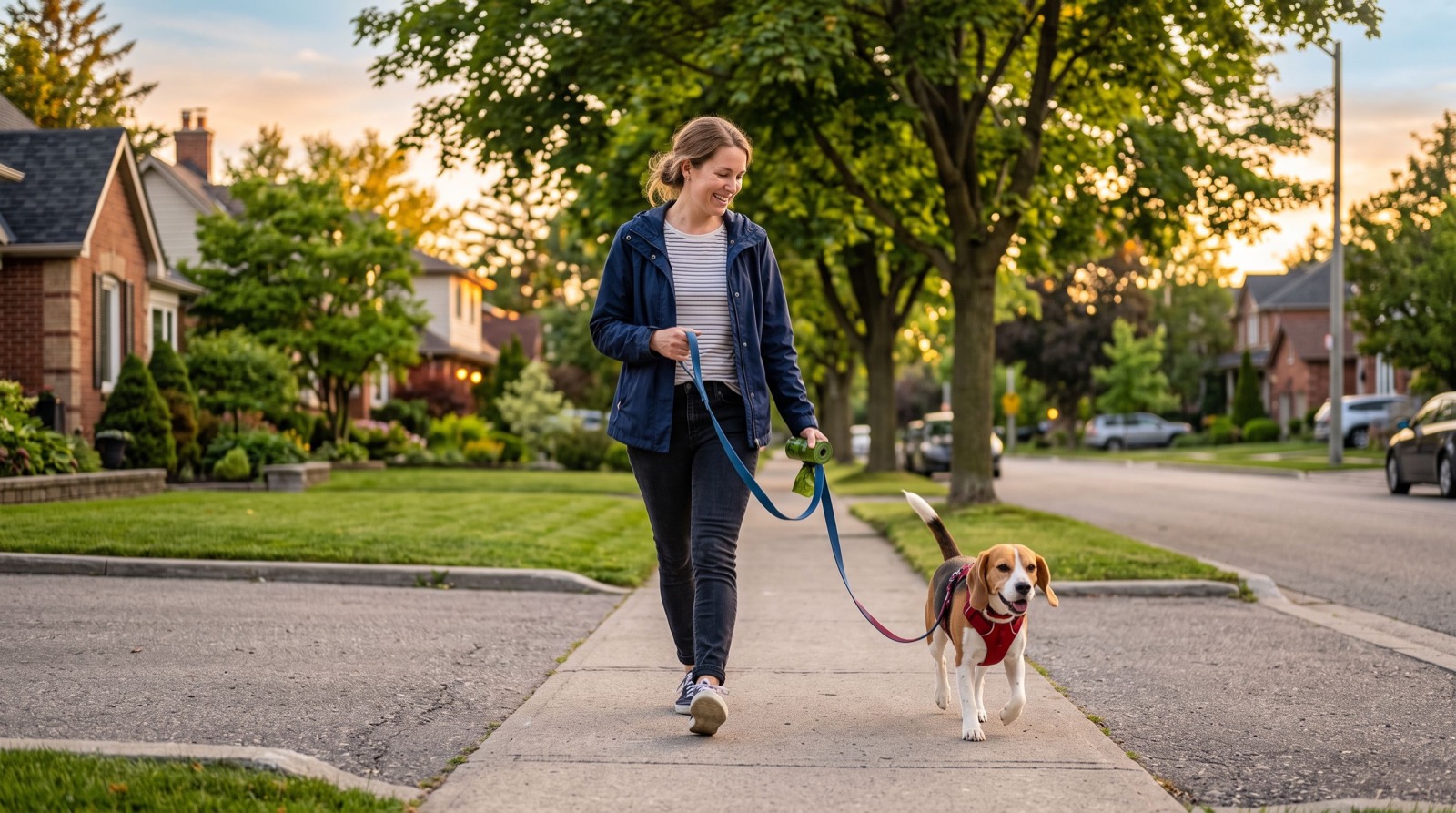
Beyond formal rules, there is a code of common courtesy every good owner follows. Never let your dog relieve itself on a neighbor’s manicured lawn or flower bed if you can steer them to a common strip or curb instead. Always clean up immediately and visibly. Carry a spare bag and offer it to someone who forgot. And never, ever leave a tied bag sitting on the ground for later; carry it to a bin.
These gestures cost nothing and build enormous goodwill. Neighbors notice the owner who does the right thing, and that reputation buys you patience the day your dog does have an accident on the wrong lawn.
Staying Equipped So You Never Slip
Most etiquette failures are not malice; they are being caught unprepared. The fix is to make good behavior automatic by always having supplies on hand. Keeping a durable heavy duty tool bag or dispenser stocked and clipped to the leash means you are never the person standing over a mess with no way to deal with it. Redundancy, a few spares in your pocket and car, seals the gap entirely.
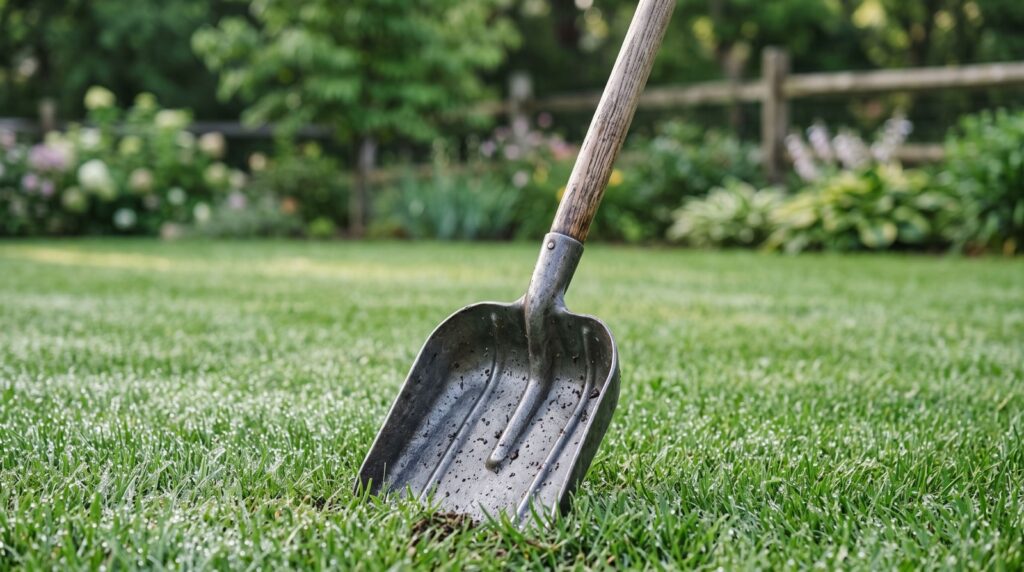
For the yard side, staying equipped matters too. An odor-controlling Arm and Hammer Pooper Scooper makes home cleanup easy enough that your own property never becomes the smelly one neighbors whisper about over the fence. Keeping your yard clean is part of neighborhood etiquette as much as picking up on walks.
Handling Common Areas and Shared Spaces
Shared spaces, community greens, sidewalks, dog parks, are where etiquette matters most because everyone uses them. The golden rule is to leave the space at least as clean as you found it. That sometimes means picking up a stray piece your dog did not leave, simply because a clean common area benefits the whole community and models the behavior you want to see.
If a shared space is chronically messy, resist the urge to add to the problem or to publicly shame offenders. Raising it constructively with your HOA or posting a friendly reminder tends to work far better than confrontation, which usually just entrenches bad feelings.
Resolving Conflicts Without Drama
If a neighbor confronts you, respond with grace even if you feel wronged. Apologize for any genuine lapse, clean up immediately, and commit to doing better. If you are the one aggrieved by someone else’s dog, a calm, private conversation resolves far more than an angry note or an HOA complaint. Most people respond well to being asked politely and poorly to being publicly called out.
When direct conversation fails, that is what community management and mediation exist for. Escalate through proper channels rather than letting a waste dispute curdle into a lasting feud with someone you have to live beside.
When the Whole Community Needs a Solution
Sometimes the issue is bigger than any one owner, and a common area needs consistent professional attention that residents cannot provide themselves. HOAs increasingly contract reliable local experts to maintain shared greens and pet areas, and proposing such a service can defuse a chronic neighborhood grievance. Shared cost across the community makes it affordable, and a professionally maintained common space removes the friction that fuels so many disputes.
Raising the idea at an HOA meeting positions you as a solution-minded neighbor rather than another complainer. It is often the most durable fix for a problem that individual etiquette alone cannot fully solve.
Key Takeaways
- Dog waste is one of the top drivers of neighbor and HOA disputes.
- Know your community’s pet-waste rules to avoid fines and warnings.
- Never let dogs use neighbors’ lawns, and always clean up immediately.
- Staying equipped with stocked bags prevents most etiquette failures.
- Leave shared spaces at least as clean as you found them.
- Resolve conflicts calmly, and propose professional service for chronic issues.
Good Cleanup Makes Good Neighbors
In a community, how you handle your dog’s waste says a great deal about you, and neighbors are paying attention whether or not you notice. Learn your HOA’s rules, follow the unwritten courtesies, stay equipped so a lapse never happens, and handle the inevitable friction with grace. Do that consistently and you become the owner people are glad to live beside rather than the cautionary tale at the next association meeting. Clean up well, and the whole neighborhood is a little more pleasant for it.