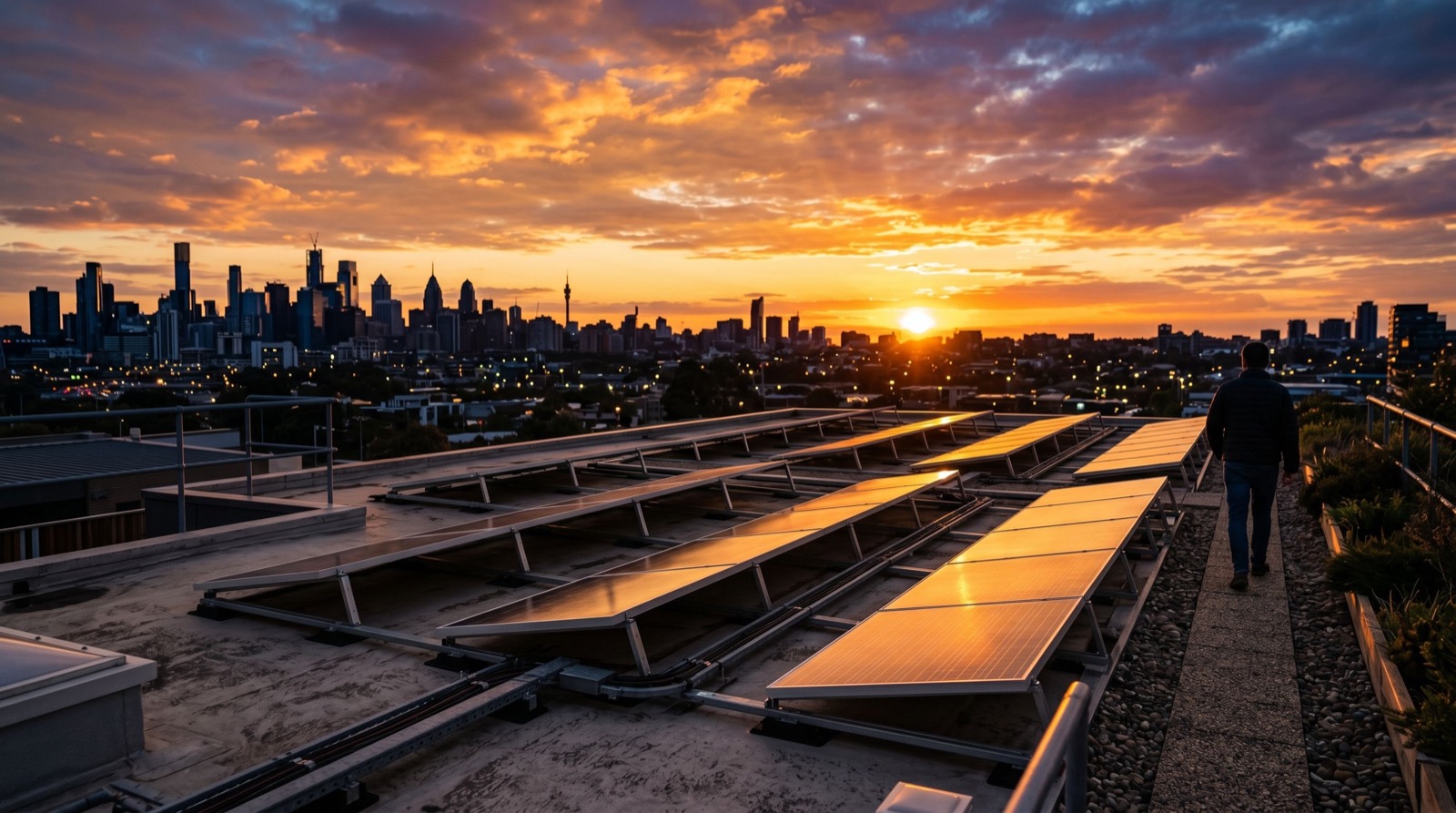
Choosing the right solar panels in Pakistan is the single decision that shapes how much power you generate, how long your system lasts, and how quickly it pays for itself. With electricity tariffs climbing again in 2026 and rooftop installations spreading from Karachi apartments to Lahore villas, homeowners face a crowded market of brands, wattages, and technologies. This guide breaks down how to compare panels intelligently so you buy performance, not just a shiny sticker.
Before you shortlist any product, understand that a panel is a 25-year investment. A cheap module that degrades fast will cost more over its life than a quality one bought right the first time. Below we cover panel types, tier ratings, real specifications, and the practical checks that separate a solid purchase from an expensive mistake.
What types of solar panels are available in Pakistan?
Three panel technologies dominate the local market, and each suits a different budget and roof. Knowing the difference helps you match the panel to your home rather than overpaying for features you will not use.
- Monocrystalline (Mono PERC / N-type): The most efficient mainstream option, converting 20–23% of sunlight. Ideal for limited rooftop space where you need maximum watts per square metre.
- Polycrystalline: An older, cheaper technology with 15–17% efficiency. It is fading fast in 2026 as mono prices have dropped close to poly levels.
- Bifacial mono: Captures reflected light on the rear side, adding 5–15% yield on light-coloured rooftops. A strong pick for commercial sheds and elevated ground mounts.
For most urban homes, half-cut Mono PERC or newer N-type TOPCon panels offer the best balance of price and output. If you plan to add batteries later, prioritise higher efficiency now so you can fit more capacity on the same roof.
How do panel tiers and warranties affect value?
The industry uses a “Tier 1” label to describe manufacturers with strong balance sheets and bankable track records. Tier 1 status is a financial rating, not a quality guarantee, but it correlates with better warranty support and lower failure rates. According to the International Renewable Energy Agency (IRENA), module prices have fallen dramatically over the past decade, making premium panels affordable for typical households.
Two warranties you must read
- Product warranty: Covers manufacturing defects, usually 12–25 years. Longer is better and signals manufacturer confidence.
- Performance warranty: Guarantees the panel still produces a set percentage of rated power after 25 years, typically 84–92%. A lower annual degradation rate means more electricity over the panel’s life.
Always confirm the warranty is honoured through a local distributor, not just an overseas factory. A paper warranty you cannot claim in Pakistan is worthless when a panel fails.
Comparing common panel specifications for 2026
The table below compares the panel classes you will actually be quoted this year. Use it as a quick reference when reading installer proposals.
| Panel type | Efficiency | Typical wattage | Annual degradation | Best for |
|---|---|---|---|---|
| Polycrystalline | 15–17% | 330–400 W | ~0.7% | Tight budgets, large roofs |
| Mono PERC (half-cut) | 20–21% | 450–550 W | ~0.55% | Most homes |
| N-type TOPCon | 21.5–23% | 560–620 W | ~0.40% | Space-limited premium roofs |
| Bifacial mono | 21–22% (+rear gain) | 560–700 W | ~0.45% | Commercial, ground mounts |
A practical checklist before you buy
Specifications matter, but so does what happens after the sale. Run through these checks with any supplier. Working with solar panels in Pakistan from a verified source protects you from the counterfeit modules that still circulate in local markets.
- Verify the datasheet serial and flash-test report match the physical panel.
- Check the temperature coefficient — a value near -0.30%/°C performs better in Pakistan’s summer heat.
- Confirm IEC 61215 and IEC 61730 certification for safety and durability.
- Ask whether the mounting rails, MC4 connectors, and DC cable are UV-rated for outdoor life.
- Match panels to the right balance-of-system components and quality solar accessories in Pakistan so no weak link shortens your system’s life.
One original tip from field experience: never mix panels of different wattages on the same string. Even a small mismatch drags the whole string down to the weakest module’s current, quietly costing you output every day. Buy in matched batches.
Sizing panels to your home’s real needs
A common mistake is buying panels first and asking about consumption later. Reverse that. Pull twelve months of electricity bills, find your average daily units (kWh), and size the array to cover that plus a margin for future appliances or an EV.
As a rough rule for Pakistan’s sun hours, a 1 kW array generates roughly 4–4.5 units per day annually. So a home using 30 units daily needs around 7 kW of panels to offset most of its bill. If you are unsure how to translate bills into panel count, lean on reliable local experts who can model your roof shading and orientation accurately.
Why does heat performance matter so much in Pakistan?
Panels are rated at a cool 25°C in the lab, but rooftops in Punjab and Sindh routinely bake past 60°C in summer. Every panel loses output as it heats up, and that loss is set by its temperature coefficient. Ignoring this number is one of the most common buying mistakes.
A panel with a coefficient of -0.35%/°C loses more power in the heat than one rated -0.29%/°C. Over a long Pakistani summer, that gap adds up to real lost units. N-type TOPCon and heterojunction panels generally handle heat better than older poly modules, which is another reason they are winning in 2026.
- Favour a temperature coefficient closer to -0.30%/°C for hot climates.
- Leave a ventilation gap under roof-mounted panels so air can cool them.
- Avoid crowding panels flat against a hot metal roof with no airflow.
Roof orientation, shading, and mounting
Even the best panel underperforms on a poorly planned roof. Before buying, assess where the modules will actually sit, because orientation and shade can swing annual output by 20% or more.
Getting the layout right
- Face south: south-facing arrays capture the most sunlight across the year in Pakistan.
- Set the tilt: a tilt roughly equal to your latitude optimises annual yield.
- Map the shade: chimneys, water tanks, and neighbouring walls cast shadows that cripple a string.
- Use quality mounting: corrosion-resistant rails and proper earthing keep panels safe in wind and rain.
Even partial shade on one panel can drag down an entire series string. If shading is unavoidable, ask about panel-level optimisers or microinverters so one shaded module does not sabotage the rest. This single design choice often recovers more energy than upgrading to a marginally more efficient panel.
Frequently Asked Questions
Which solar panels are best for homes in Pakistan?
For most homes, half-cut Mono PERC or N-type TOPCon panels between 550 W and 620 W offer the best value in 2026. They deliver high efficiency, low degradation, and strong summer performance, letting you fit more capacity on a standard rooftop.
How long do solar panels last?
Quality panels carry a 25-year performance warranty and often keep producing usefully for 30 years or more. Expect them to still generate around 85–90% of rated power after 25 years if you buy certified modules and keep them clean.
Are cheap solar panels worth buying?
Rarely. Cheap or uncertified panels degrade faster, fail sooner, and may lack a claimable warranty. Because panels are a decades-long investment, the small upfront saving is usually erased by lower lifetime output and early replacement costs.
Can I add more panels to my system later?
Yes, if your inverter and wiring have spare headroom. Plan for expansion when you first size the system by choosing an inverter rated above your current array, so adding future panels stays simple and affordable.
Conclusion
Selecting the right solar panels in Pakistan comes down to matching proven technology to your roof, your consumption, and a warranty you can actually claim. Prioritise efficiency, certification, and a trustworthy supplier over the lowest sticker price, and your system will reward you with clean savings for decades. Ready to compare certified modules and build a system sized for your home? Explore verified panels and accessories today and start generating your own power.